
Sleep and Youth
The Canadian Sleep Research Consortium is proud to partner with Planet Youth, an organization focused on community-based strategies for social and environmental changes supporting youth. Planet Youth is based on a prevention model from Iceland striving to enhance quality of life and reduce teen substance use by improving the environment around young people rather than focusing on individual behavior. It uses evidence-based practices and local data to guide communities—parents, schools, and organizations—to strengthen family connections, increase supervised activities like sports and arts, and build supportive social networks. The goal is to address root causes (“upstream”) so that young people are less likely to start using alcohol or drugs in the first place. This model is being implemented in several parts of Canada.
Collaborative project
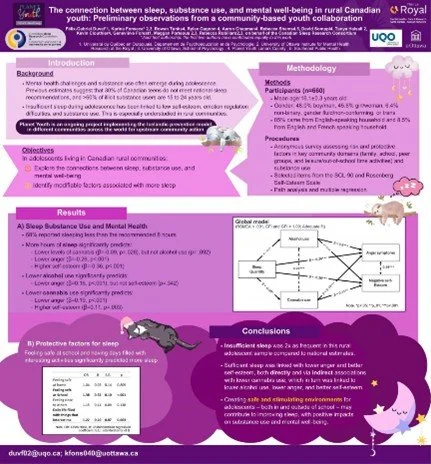
The connection between sleep, substance use and mental well-being in rural Canadian Youth
ACHIEVE (Advisory Committee for Harnessing and Improving Education Values for Empowerment), a youth-led group in Lanark County, ON, recently worked with Sleep scientists from the Consortium to analyze and presented some important findings about Sleep, Mental Health, and Substance Use in Rural Youth at a Planet Youth / Icelandic Prevention Model symposium hosted by the Public Health Agency of Canada’s Knowledge Development and Exchange Hub. Their research was published in the journal Sleep Medicine.
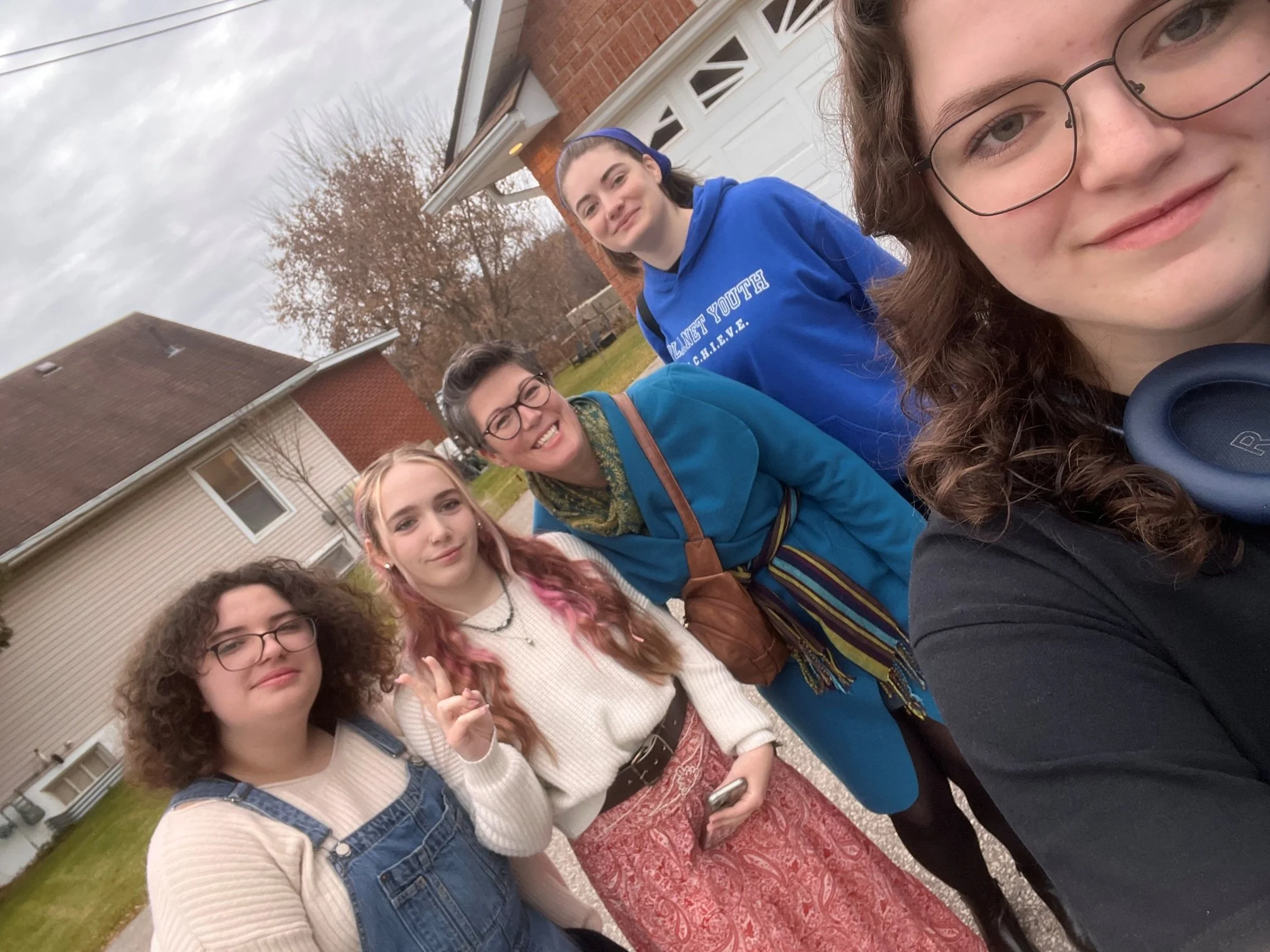
ACHIEVE on their way to the conference
From L to R: Rylee Gagnon, Row Tunks, Rebecca Shams, Niamh MacDonald, Aaron Chapman
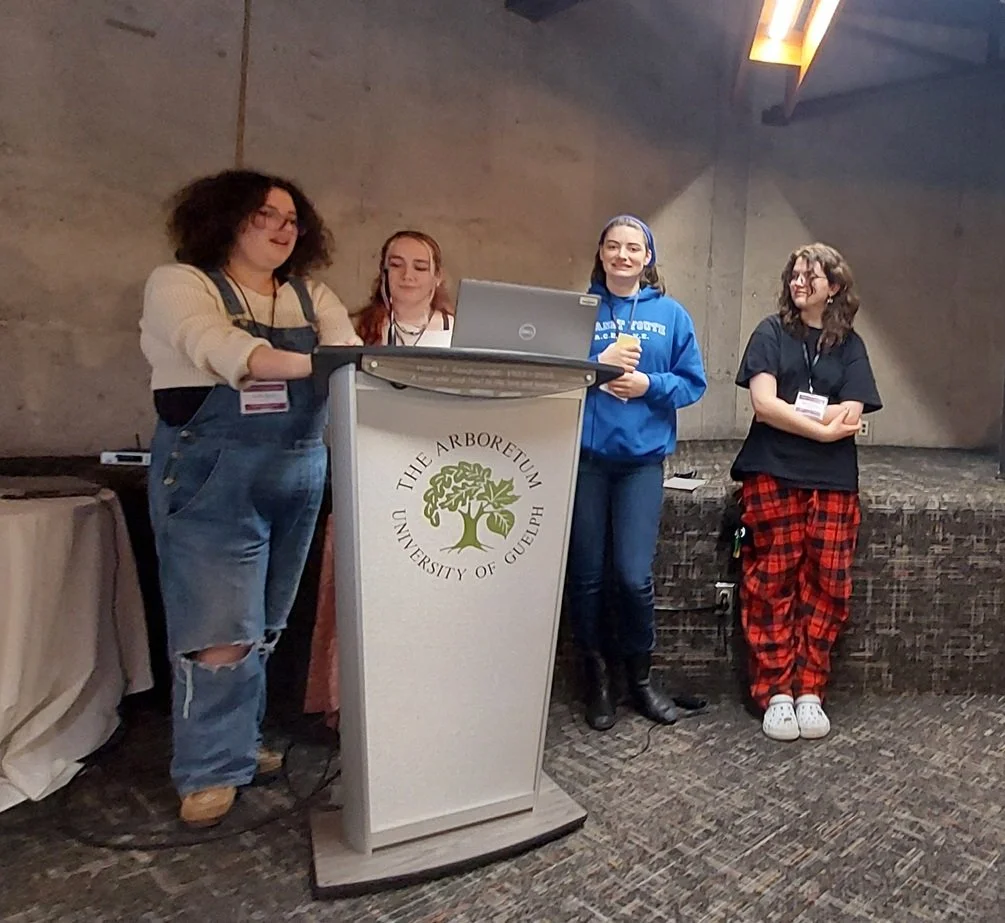
ACHIEVE presenting their research findings
From L to R: Rylee Gagnon, Row Tunks, Niamh MacDonald, Aaron Chapman
Why is that research needed?
Adolescence is a critical time for mental health. Many young people struggle with sleep, emotions, and experimenting with substances.
According to national surveys 1 in 3 Canadian teens don’t get enough sleep
Most people who try drugs for the first time are between 15–24 years old
Poor sleep has been linked to lower self-confidence, difficulty managing emotions, and higher substance use
Rural communities are often overlooked in research
Their goals was to find out:
a) How is sleep connected to mental health and substance use?
b) What factors might help youth get more sleep?
The Study660 teenagers (average age of 16 years) from Lanark county in Ontario completed an anonymous survey about:
Their sleep habits
Mental health (like mood and self-esteem)
Substance use (alcohol and cannabis)
Their home, school, and social environments
What was observed?
1. Many teens aren’t getting enough sleep
2 in 3 teens (68%) slept less than the recommended 8 hours per night This is twice as high as national estimates
2. Sleep is strongly linked to well-being
Teens who sleep more:
Feel less angry
Have higher self-esteem
Use less cannabis
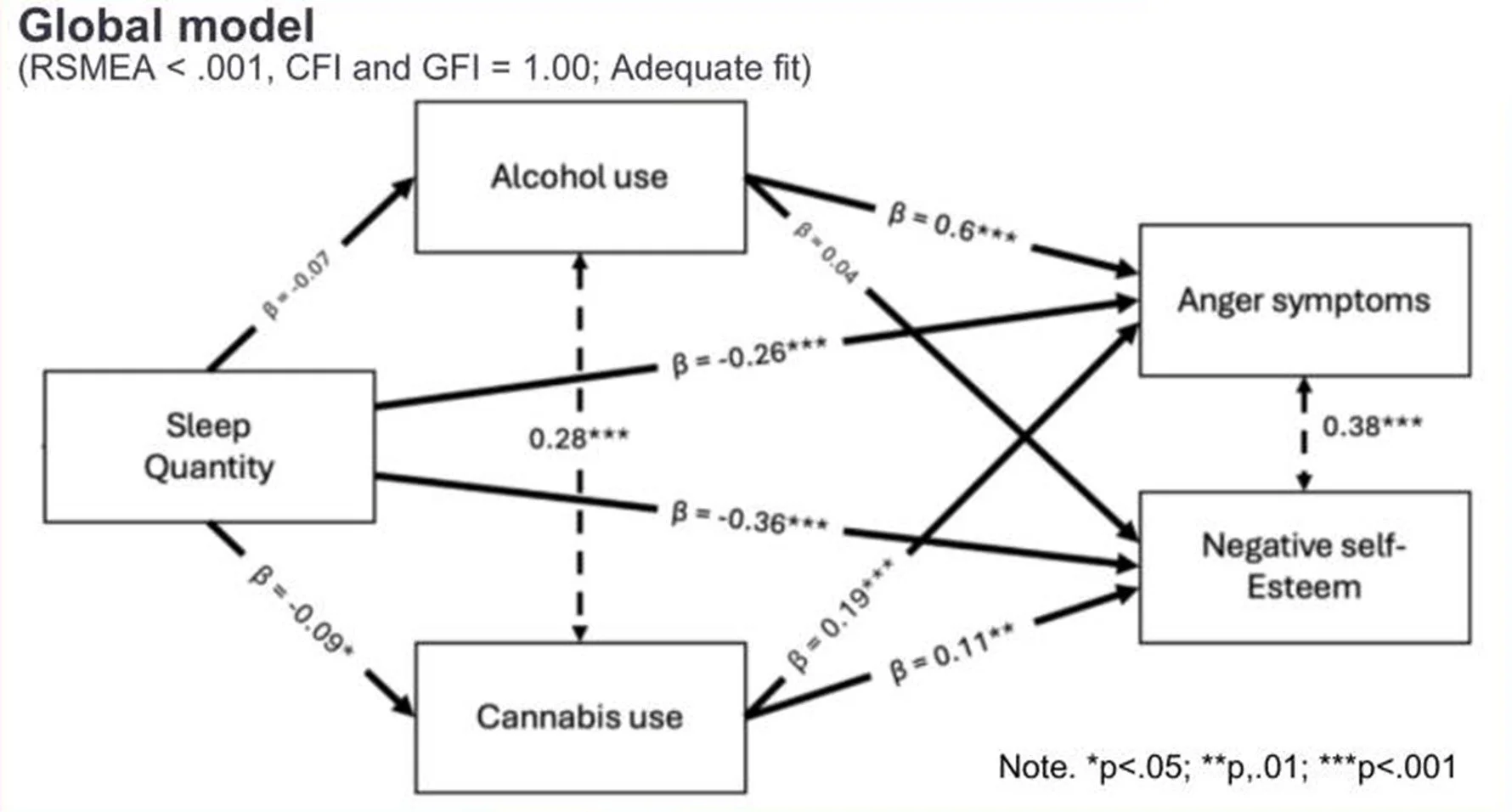
3. Sleep, substance use and mental health are connected
More sleep was associated with lower cannabis use, which in turn was linked to:
Less anger
Better self-esteem
More sleep was associated with lower alcohol use, which in turn was linked to:
Less anger
4. Social environment matters
Teens got more sleep when they:
Felt safe at school
Had engaging and interesting daily activities
Key Takeaways
Youth in this rural area were more likely to lack sleep compared to global estimates across young Canadians.
Getting enough sleep isn’t just about feeling rested—it’s connected to:
Better mental health
Lower substance use
Stronger self-confidence
Creating safe, supportive, and engaging environments—both in school and in the community—may help teens sleep better.
Better sleep may lead to healthier choices and improved mental well-being.