

Understanding Insomnia
“Insomnia is a natural phenomenon that is part of normal life. The issue is when it becomes a recurring problem… .”

Wait…What? Insomnia is normal?
Yes! Short-term insomnia is a completely natural human experience.
Sleep often gets shaky when life gets stressful or unpredictable. Maybe you’re starting a new job, going through a breakup, or juggling too many things at once. Sleep struggles can be a signal that your mind and body are asking for some extra care. Yet, sometimes poor sleep shows up without any clear reason at all.
Most of the time, things naturally settle back into place. Short-term insomnia can last for days or weeks. Although it can be unpleasant, this is part of life.
So how do I know when it’s more than just a rough patch?
You may have insomnia disorder (also called chronic insomnia, a treatable condition) if you notice:
1) Too much wakefulness at night


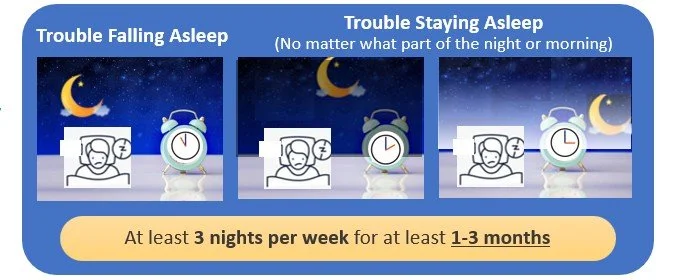
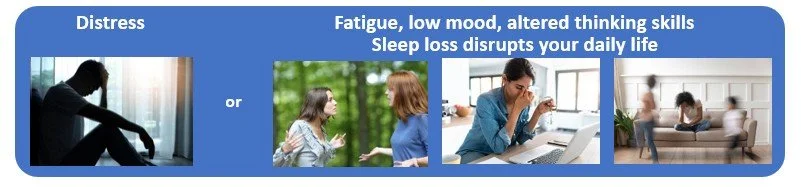
2) Daytime consequences
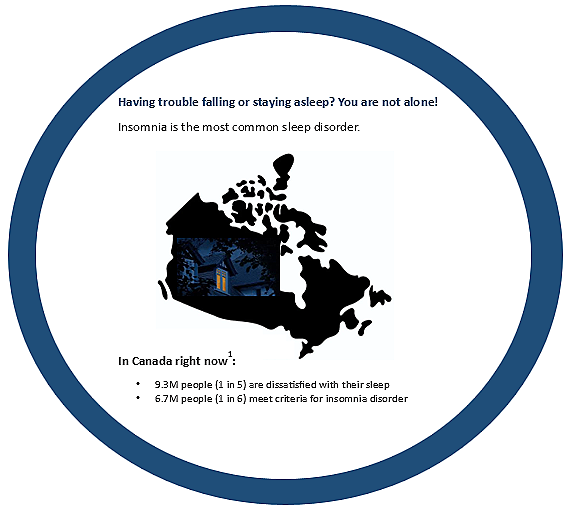
Keep in mind! It is perfectly normal to:
Take up to 30minutes to fall asleep
Wake up several times during the night, as long as you are able to fall back to sleep
3) Your sleep problems are not mainly explained by something else, like:
Too little time for sleep
For example, having a window of only 4 hours to sleep because or work or other commitments could make you feel pressured. You may get stressed about falling asleep quick enough or waking up on time. Not only would you be getting too little sleep, but the pressure to sleep within this limited period could make it more difficult to sleep.
A disruptive sleep environment
For example, your bed partner’s snoring or your pet moving around can make it harder for you to doze off or wakes you up at night. Also, when facing difficult life circumstances, some of us may feel unsafe in our home or our neighborhood at night.
Medications or other drugs
Your sleep can get worse after you start a new medication or even just change the dose. This is worth discussing with your healthcare provider. For instance, adjusting the dose of certain medications or even just the time at which you take them can sometimes help.
Other sleep disorders
Several other sleep disorders can look like insomnia, like periodic limb movement disorder (“kicking” at night, typically without noticing it), restless legs syndrome (discomfort in your limbs – often the legs – at rest and during the evening) or sleep apnea (breathing problems during sleep) to give a few examples. These other sleep disorders may call for other treatments than those for insomnia. As such, it is important to ensure they are not the main culprits. The identification of most of these sleep disorders require a sleep test.
Other health conditions
You may feel that your sleep issues are entirely caused by a physical or mental health condition. It’s still worth a discussion with your healthcare provider to see if some modifications to your treatment plans could be done to attenuate the impacts on your sleep. Your care provider could also suggest strategies that could attenuate the impacts on your daily life.
Keep in mind! Even if another condition affects your sleep, you may also have insomnia. Treating insomnia directly can help restore your sleep and support your overall health and well-being.


add link to previous page

add link to next page