
“…but is it really insomnia?”
I sleep less than 7h per night, but when I think of it… It does not seem to be impacting my days.
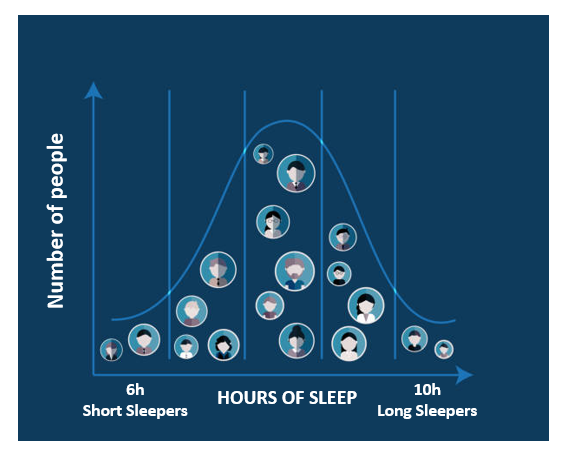
Everyone has different sleep needs. Although many people sleep 7 to 9 hours on average, some of us need more sleep and some need less.
This is in part determined by our genetic make-up. There are also normal changes in sleep as we age.
If you sleep less than most people, but wake up feeling refreshed and have no issue functioning during the day, you may just be a short sleeper. This is likely not insomnia disorder.


My insomnia seems to take a break during the week-end.
Perhaps you have no difficulty sleeping when you are free from work, family or social constraints – when you can sleep at the time that suits you best.
Have you ever thought about the timing at which it may be easier for you to fall asleep and wake up? How well does your “ideal” sleep schedule align with your actual sleep schedule?
If you are a night owl or an early bird, your prime time may be in the late evening or early morning. This may make it more difficult to fall asleep and to wake up at the time when most people do. Yet, when you are free to go to bed and wake up on your ideal schedule, you may find that sleep comes much more easily.
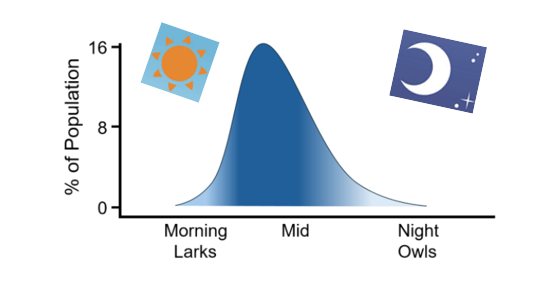
If so, there is a possibility that you do not have insomnia, but rather that your biological clock is running at an unusual time.
Specific treatments – different than what we would do for standard insomnia – can help shift your biological clock earlier or later. Keep in mind though that some people have insomnia disorder and unusual biological clock timing at the same time.
In doubt? Talk about it with your healthcare provider!